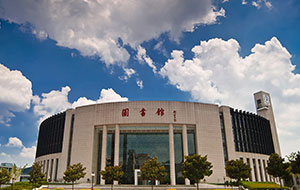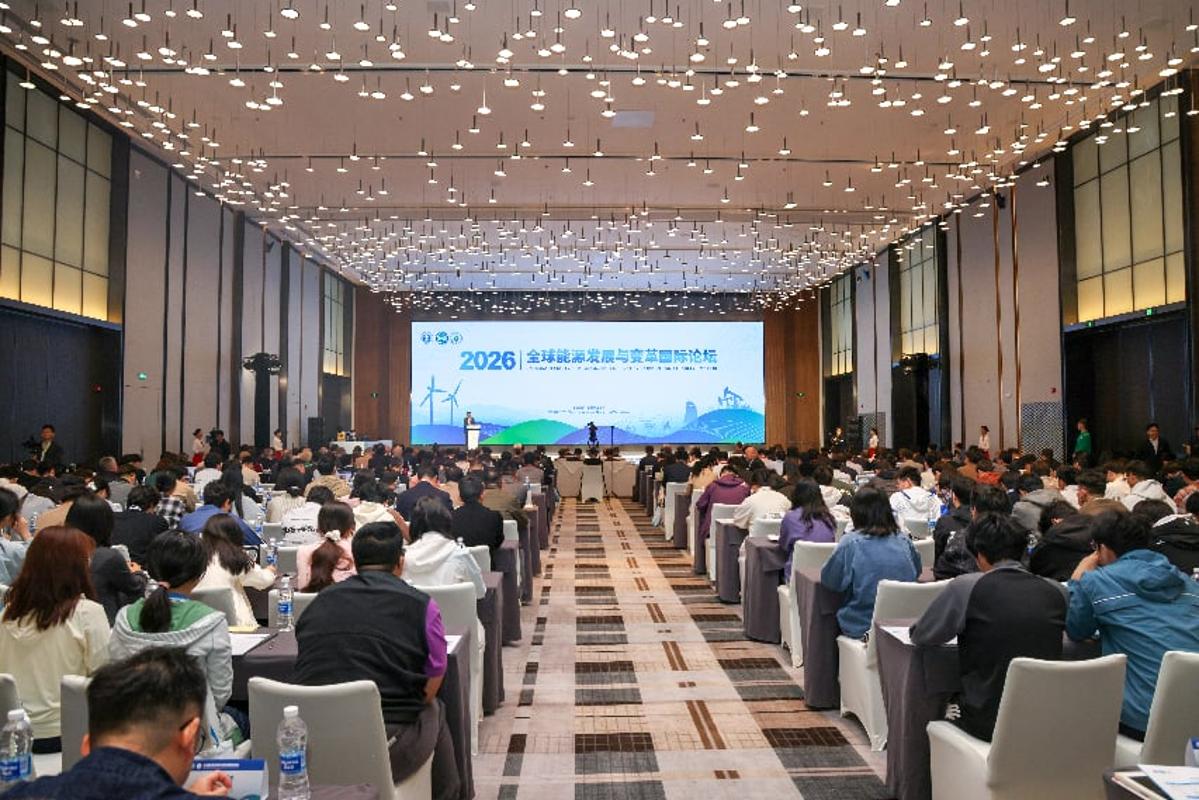
Forum Scene
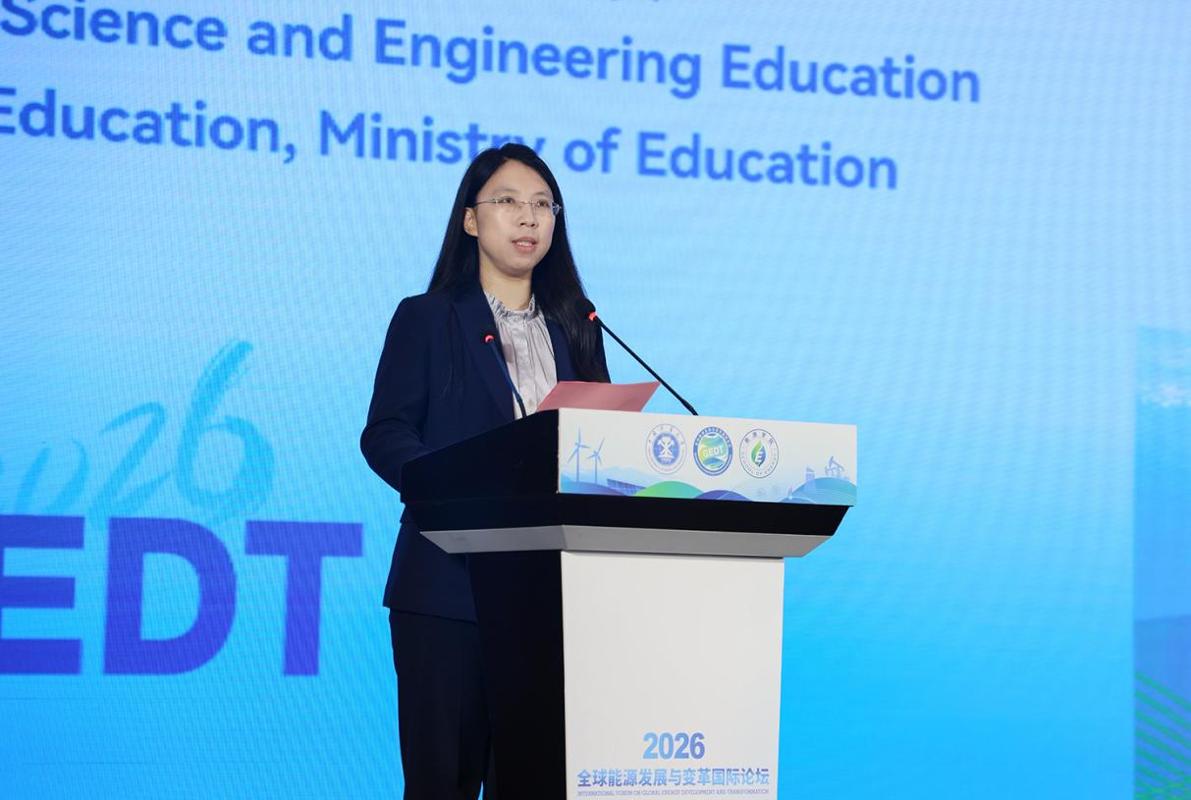
Hao Jie, Director of the Engineering Education Division of the Department
of Higher Education of the Ministry of Education,deliver a speech
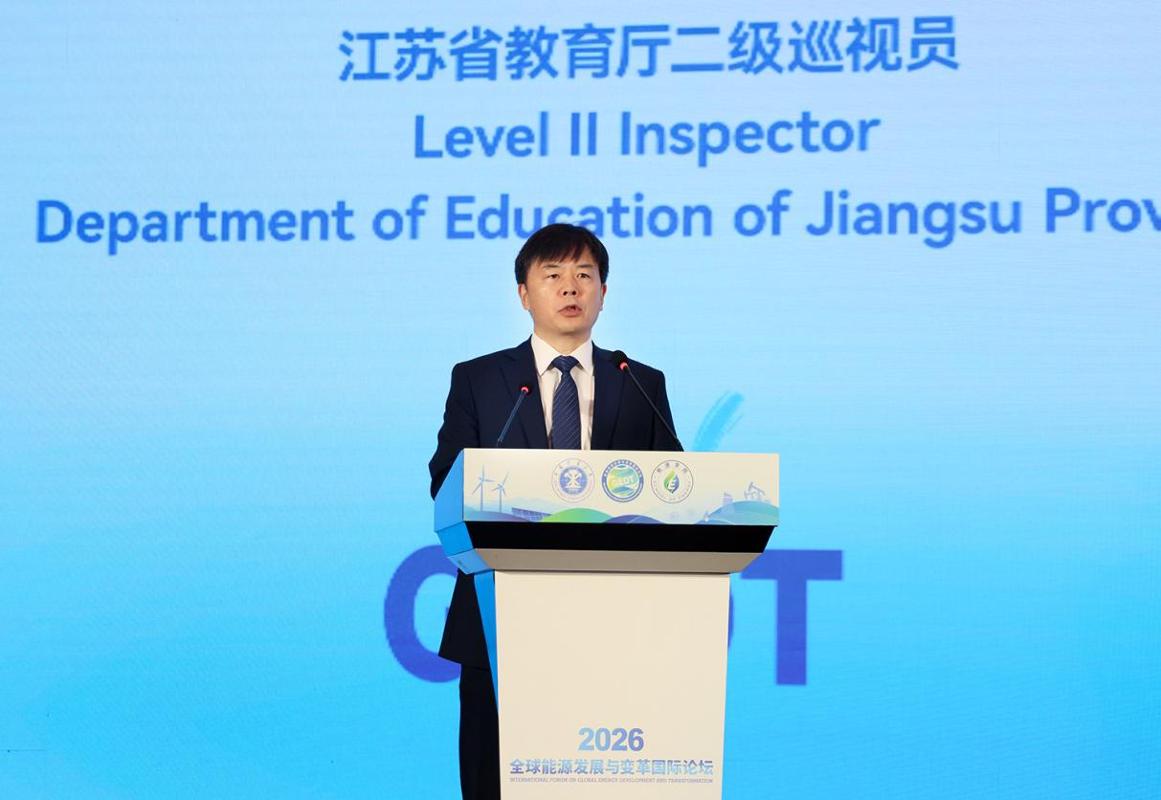
Jiao Wei, Level Ⅱ Inspector of the Department of
Education of Jiangsu Province, deliver a speech
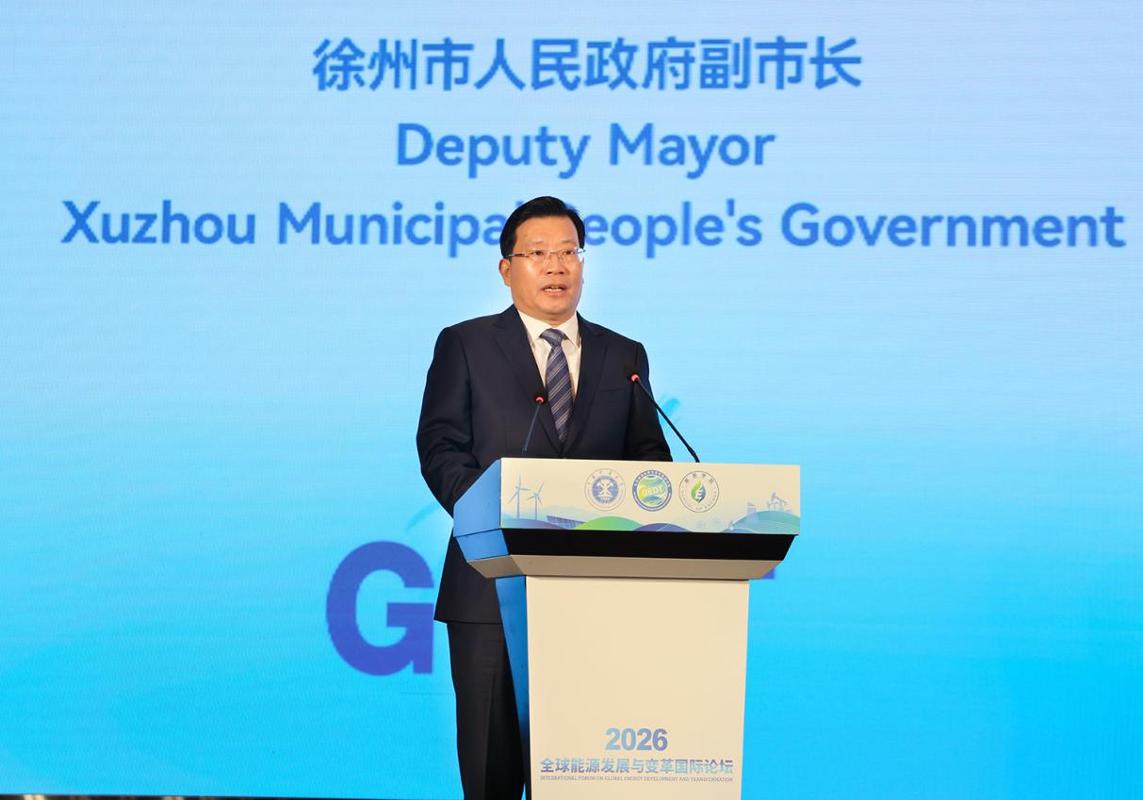
Ding Guangzhou, Deputy Mayor of Xuzhou ,deliver a speech
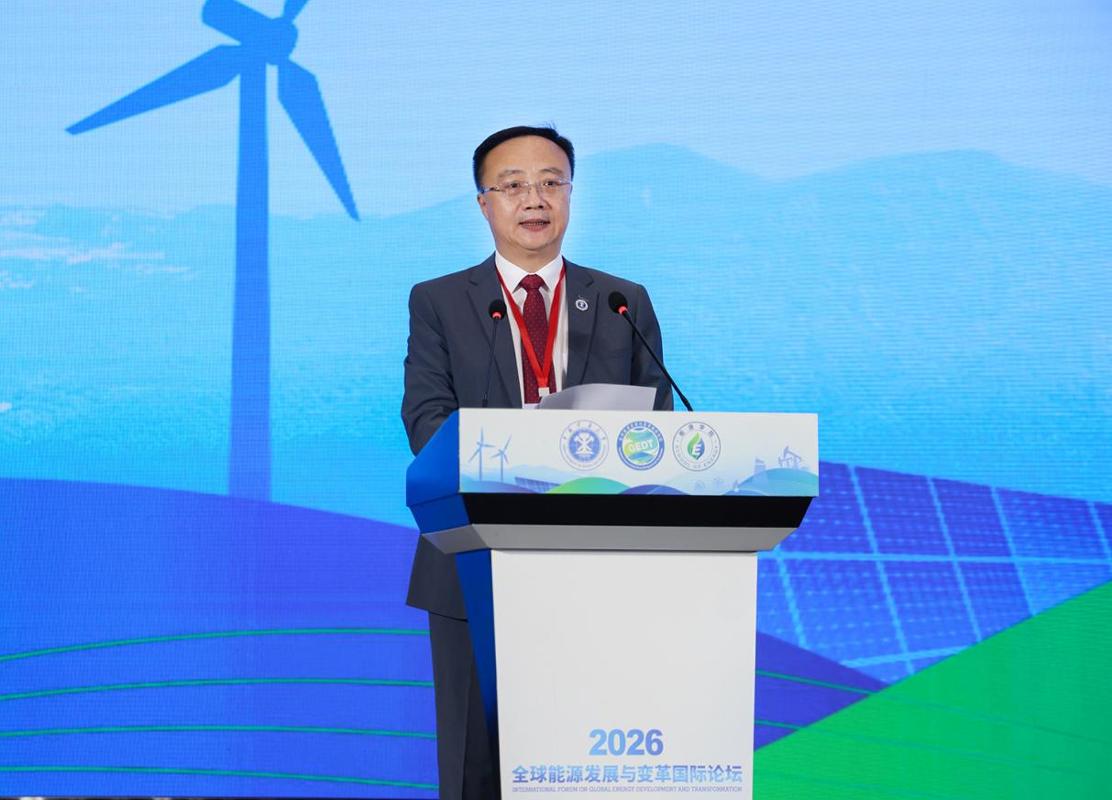
Zhao Hongwei, Chair of the University Council of CUMT, deliver a speech
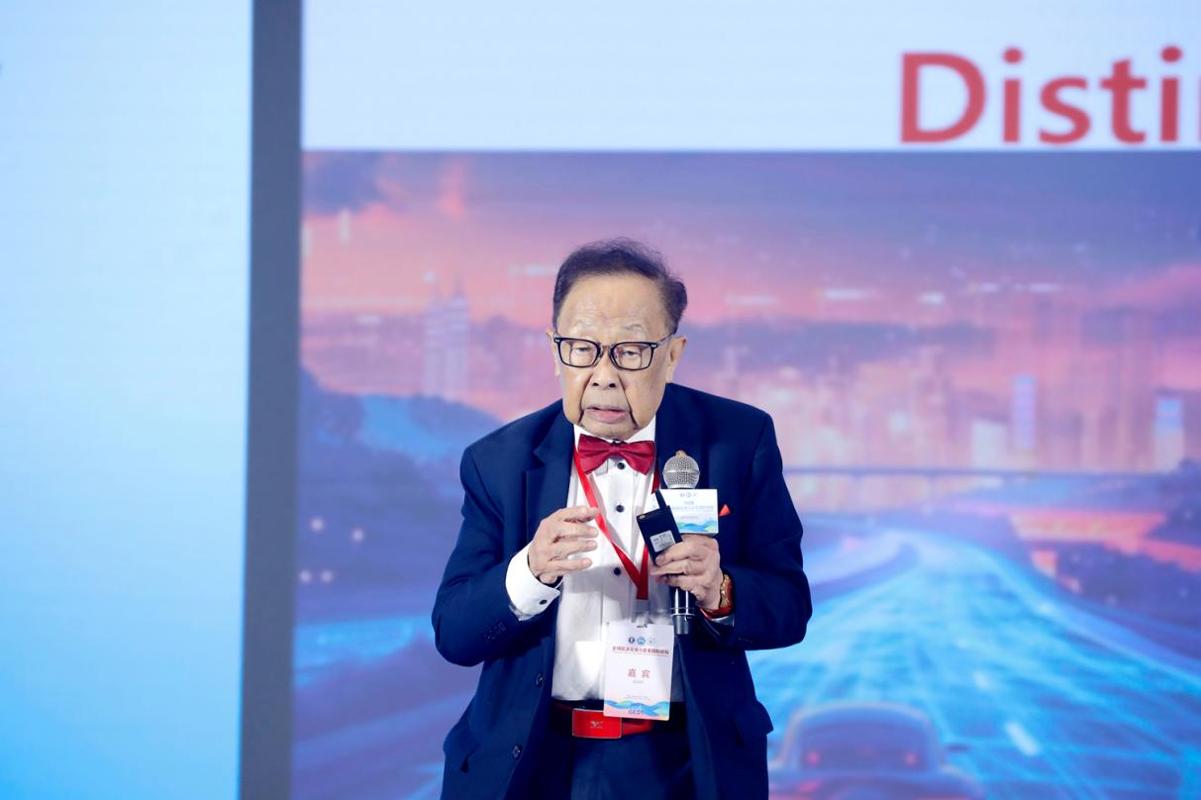
Chen Qingquan, Distinguished Chair Professor of Hong Kong Polytechnic
University, Fellow of Hong Kong Academy of Engineering Sciences,
Fellow of the Royal Academy of Engineering (UK), and Academician
of Chinese Academy of Engineering, deliveres a keynot report
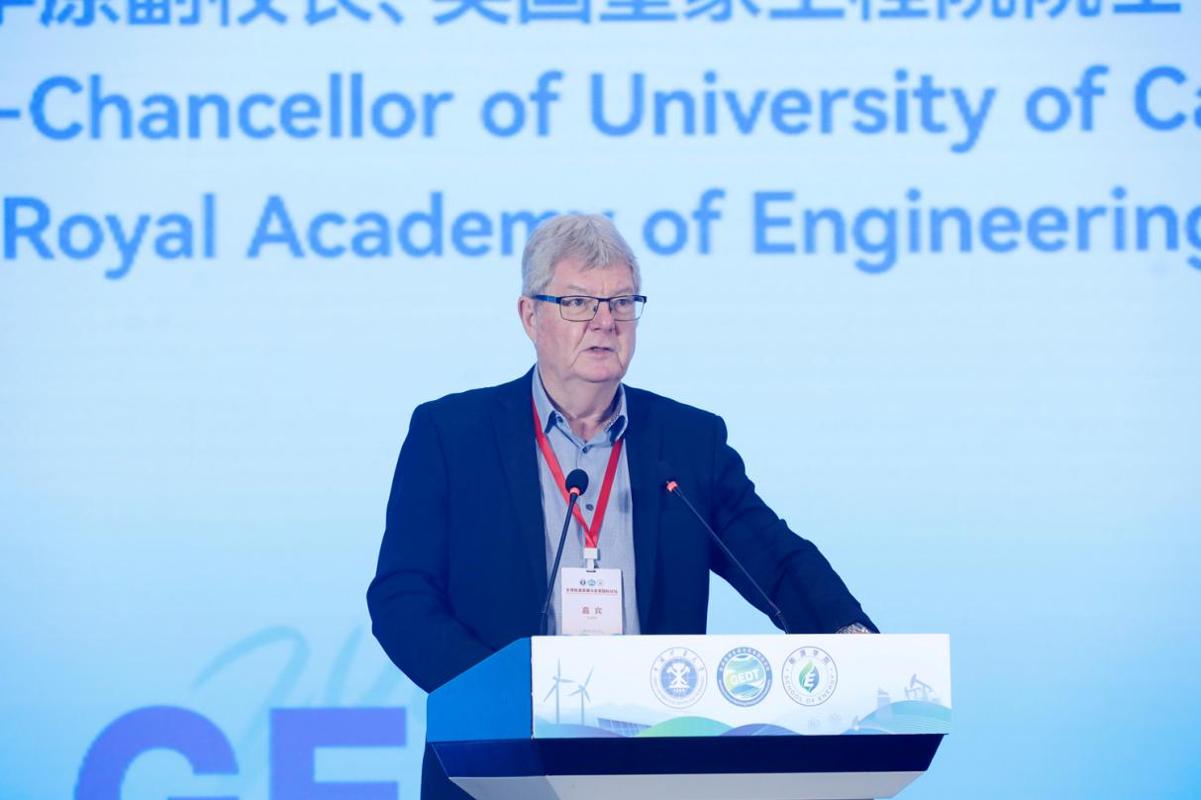
Professor David Cardwell, former Pro-Vice-Chancellor of the University
of Cambridge and Fellow of the Royal Academy of Engineering (UK),
deliveres a keynot report
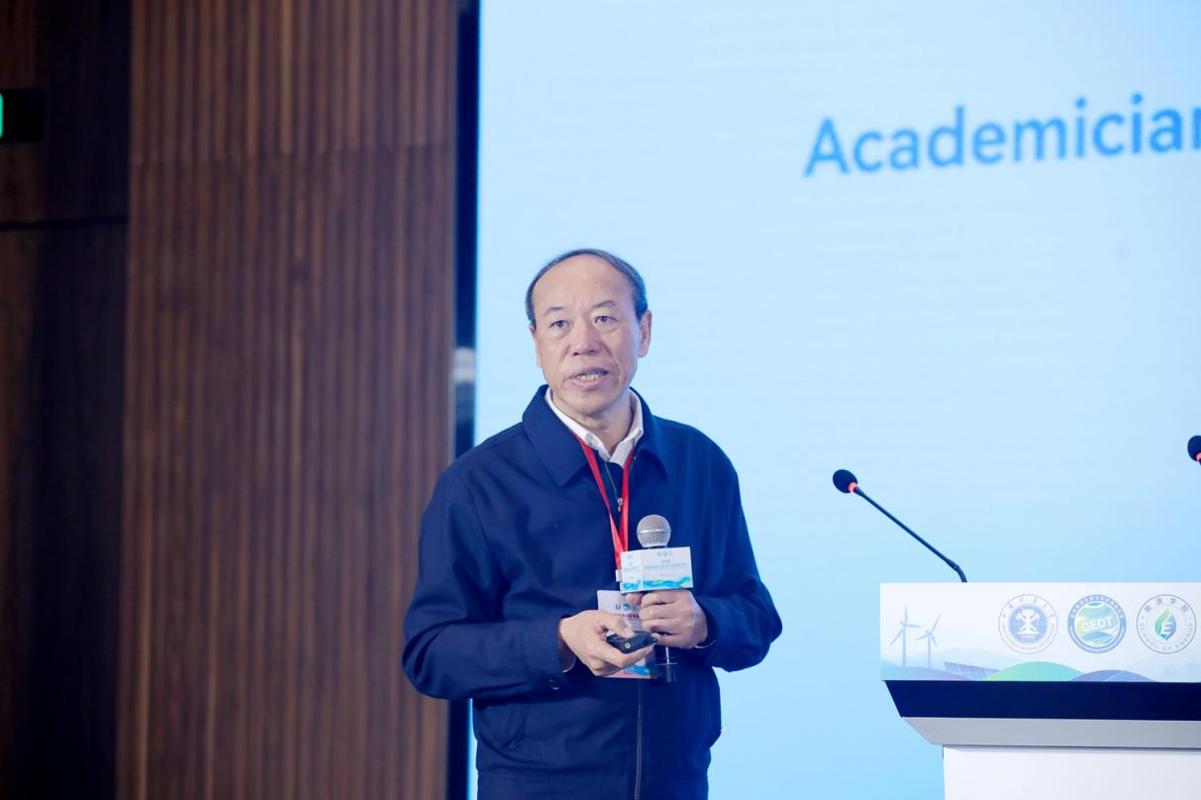
Professor Fang Qin, Fellow of the Chinese Academy
of Sciences, delivered a keynot report
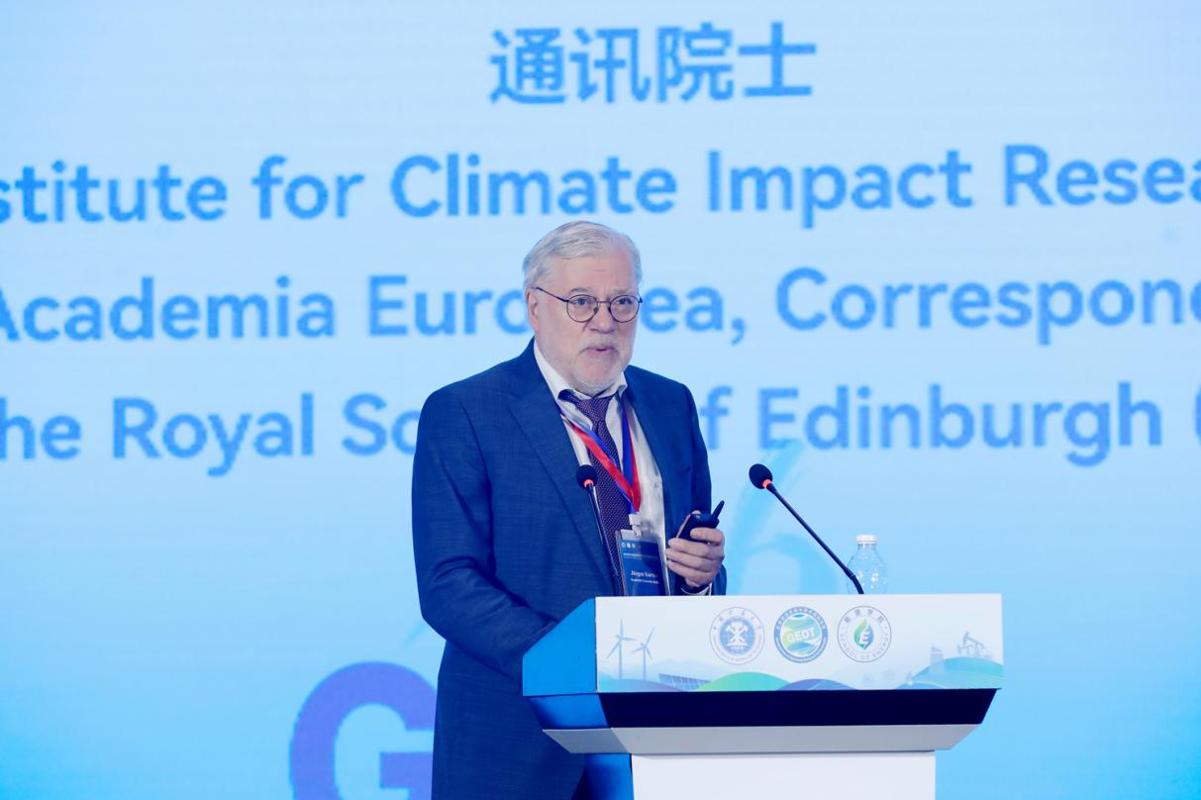
Professor Juergen Kurths, Fellow of the European Academy of Sciences,
Corresponding Fellow of the Royal Society of Edinburgh, and of the
Potsdam Institute for Climate Impact Research (Germany),
delivered a keynot report
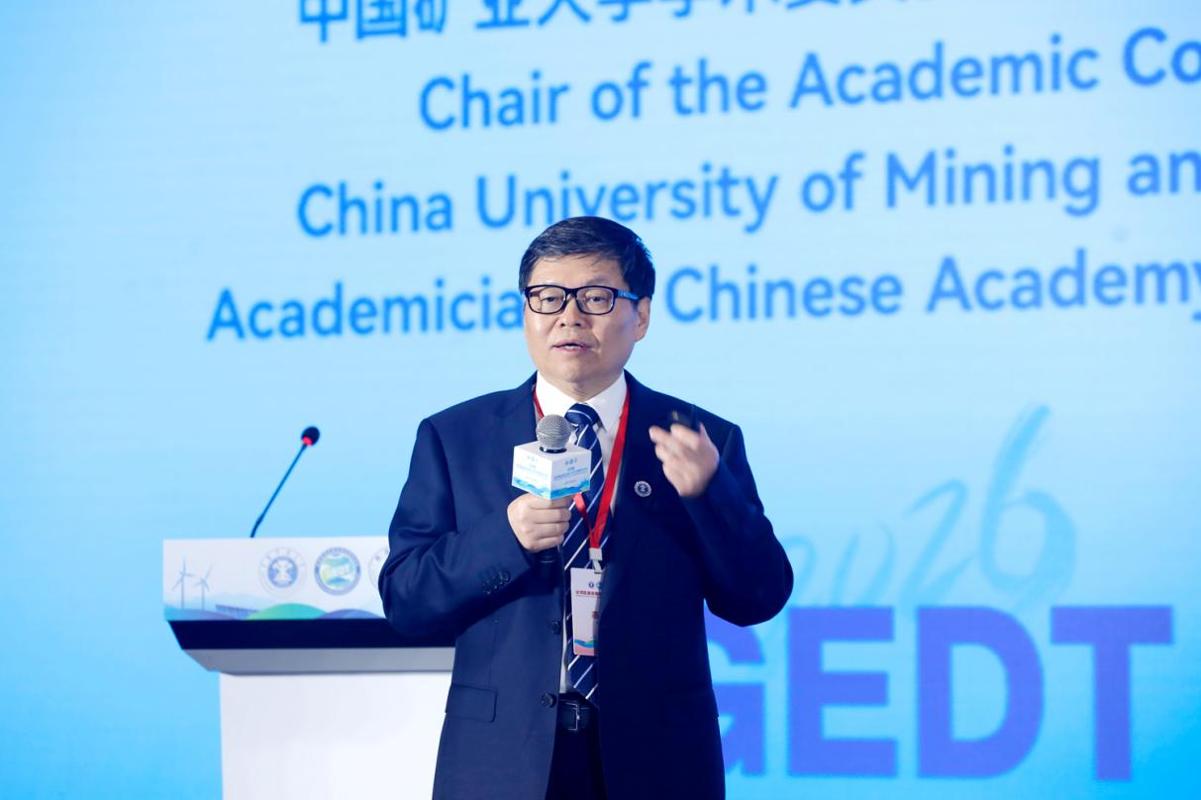
Professor Zhao Yuemin, Fellow of the Chinese Academy of
Engineering and of CUMT, deliveres a keynot report
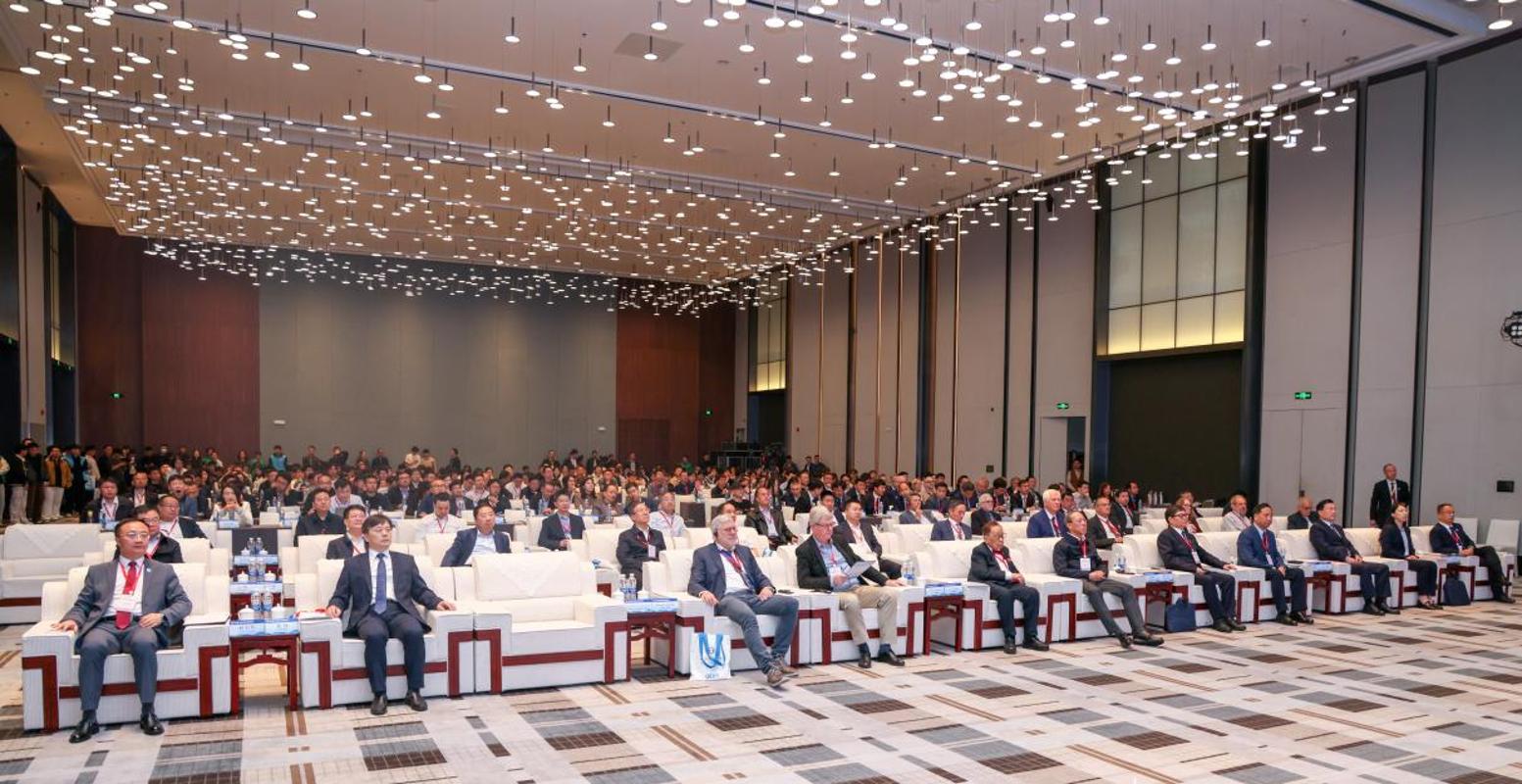
From April 17 to 18, the International Forum on Global Energy Development and Transformation, hosted by China University of Mining and Technology (CUMT), was held in Xuzhou. Leaders from the Ministry of Education, the Department of Education of Jiangsu Province, and the Xuzhou Municipal Government attended the forum. Over 300 representatives from universities and enterprises in the energy sector representing 16 countries and regions, including China, the United Kingdom, the United States, Germany, Russia, Australia, Brazil, Poland, and Argentina etc., participated in the event. Participants engaged in in-depth discussions on core issues related to energy development and transformation, contributing their collective wisdom to addressing global energy challenges, promoting green and low-carbon transition, and advancing sustainable energy development.
The forum officially opened on the morning of April 18. Addresses were delivered by Hao Jie, Director of the Engineering Education Division of the Department of Higher Education of the Ministry of Education; Jiao Wei, Level Ⅱ Inspector of the Department of Education of Jiangsu Province; Ding Guangzhou, Deputy Mayor of Xuzhou Municipal People’s Government; and Zhao Hongwei, Chair of the University Council, CUMT. The opening ceremony was presided over by Wang Zhongbin, Vice President of CUMT.
Hao Jie noted that accelerating the construction of a clean, low-carbon, safe, and efficient new energy system places new demands on talent cultivation. The core of energy transformation lies in innovation, the foundation of innovation lies in talent, and the key to talent lies in education. Universities need to strengthen supply-demand alignment to establish a new system for energy talent cultivation; strengthen interdisciplinary integration to create a new paradigm for energy talent cultivation; and strengthen open cooperation to expand new pathways for international energy science and education collaboration, thereby providing strong support for the development of a new energy system.
Jiao Wei stated that Jiangsu Province attaches great importance to the coordinated development of energy transformation and higher education, actively promoting universities to make greater contributions in energy technology innovation, green and low-carbon talent cultivation, and international exchange and cooperation. CUMT has proactively served the “dual carbon” goals, cultivating a large number of high-quality talents and achieving a series of landmark results in areas such as clean and efficient coal utilization, underground energy storage, new energy materials, and mine ecological restoration, providing important support for high-quality energy development. Energy development and transformation are global issues. This forum provides a high-level platform for exchange among Chinese and international energy experts and scholars. He expressed the hope that Chinese and foreign universities would deepen dialogue and exchanges, build broad consensus, inspire innovative ideas, and promote the implementation and success of more industry-university-research cooperation projects.
Ding Guangzhou stated that energy is an important pillar for high-quality development. As a national old industrial base and resource-based city, Xuzhou is making every effort to take the lead in building a demonstration city for a new energy system, with a solid industrial foundation, a wide range of application scenarios, and enormous future development potential. CUMT, as a national key university with distinctive features in the energy field, has provided key scientific and technological support for the high-quality development of the energy industry in Xuzhou and the entire province. This forum, closely aligned with the top-level design of the national energy strategy and the requirements for high-quality development of higher education, provides a valuable platform for deepening exchanges and expanding cooperation. He expressed the expectation to further strengthen exchanges and interactions with domestic and international universities, research institutions, and industry enterprises, jointly exploring innovative paths for green and low-carbon energy transformation.
Zhao Hongwei, on behalf of the university, extended a warm welcome to the Chinese and international guests attending the forum. He pointed out that energy is the cornerstone of human civilization, the lifeblood of social development, and the bottom line of national security. CUMT, as a high-level university named after mining and deeply engaged in the energy field, has built a disciplinary ecosystem and educational landscape with distinctive features and prominent advantages. Facing the major trend of global energy transformation, the university adheres to consolidating its foundation while upgrading and exploring new frontiers, fully promoting a strategic transition from “coal” to “carbon”, from traditional energy to multi-energy coupling, from the upstream to the downstream of the industrial chain, from fuel to raw material, and from traditional development to comprehensive utilization. This forum serves as an important platform for exploring new paths for energy security, new solutions for green and low-carbon transformation, and new models for intelligent and efficient development. He expressed the hope to join hands with colleagues at home and abroad to write a new chapter in global energy security, green, and sustainable development, making new and greater contributions to building a community with a shared future for mankind and a clean and beautiful planet.
During the main forum, five academicians and experts shared the latest research findings and interpreted industry development trends in cutting-edge fields such as energy technology, safety protection, and low-carbon transformation. Professor Chen Qingquan, Distinguished Chair Professor of Hong Kong Polytechnic University, Fellow of Hong Kong Academy of Engineering Sciences, Fellow of the Royal Academy of Engineering (UK), and Academician of Chinese Academy of Engineering, delivered a report titled “AI Empowered , New Journey of Energy & Automotive Revolutions”. Professor David Cardwell, former Pro-Vice-Chancellor of the University of Cambridge and Fellow of the Royal Academy of Engineering (UK), presented on “Bulk Superconductors and their Application in the Energy Sector”. Professor Fang Qin, Fellow of the Chinese Academy of Sciences, delivered a report focusing on “Certain Issues in Safety Protection against Gas Explosion Disasters”. Professor Juergen Kurths, Fellow of the European Academy of Sciences, Corresponding Fellow of the Royal Society of Edinburgh, and of the Potsdam Institute for Climate Impact Research (Germany), elaborated on “Stability of power grids concerning strong perturbations: tropical cyclones and increasing resilience”. Professor Zhao Yuemin, Fellow of the Chinese Academy of Engineering and of CUMT, delivered a report titled “Low-Carbon and Zero-Carbon Transformation Development of Coal-Based Energy: Clean and Efficient Utilization of Coal”.
On the afternoon of April 18, 22 experts and scholars engaged in in-depth exchanges and discussions across three paralle forums: Frontiers and Trends in Energy Technology Development, Models and Innovation in Energy Talent Cultivation, and Global Energy Policy Transformation and Reform.
On the evening of April 18, the forum concluded successfully. In his closing remarks, Vice President Bian Zhengfu noted that the forum had achieved fruitful academic results. As a university with distinctive features in energy resources, CUMT deeply implements an open education strategy, continuously deepens international exchanges and cooperation, and is committed to providing “CUMT solutions” and contributing “CUMT strength” to global energy development and transformation. This year marks the first year of the “15th Five-Year Plan” period. The university is ready to join hands with domestic and international partners to jointly address global challenges in the energy field and actively contribute to the building of a community with a shared future for mankind.
The forum was co-organized by the International Higher Education Alliance for Mining, Energy and Environment (AMEE) and the Jiangsu-Russia University Cooperation Consortium. It is supported by the Division of Resources and Energy Education of China Association of Higher Education, the Division of Higher Education of China Coal Education Association, China Coal Technology & Engineering Group Corp., Shanghai Datun Energy Resources Co., Ltd., China Construction Bank Xuzhou Branch, Xuzhou Construction Machinery Group Co., Ltd., Dadi Engineering Development (Group) Co., Ltd., and Jiangsu Huayuan Petroleum Sales Co., Ltd. Academicians, experts, and scholars from 20 prestigious overseas institutions, including the University of Cambridge (UK), the University of California, Irvine (USA), RWTH Aachen University (Germany), and the University of Queensland (Australia), as well as from over 40 top domestic universities, including Tsinghua University, Zhejiang University, Shanghai Jiao Tong University, Fudan University, Xi’an Jiao Tong University, University of Science and Technology of China, and Huazhong University of Science and Technology, attended the forum.