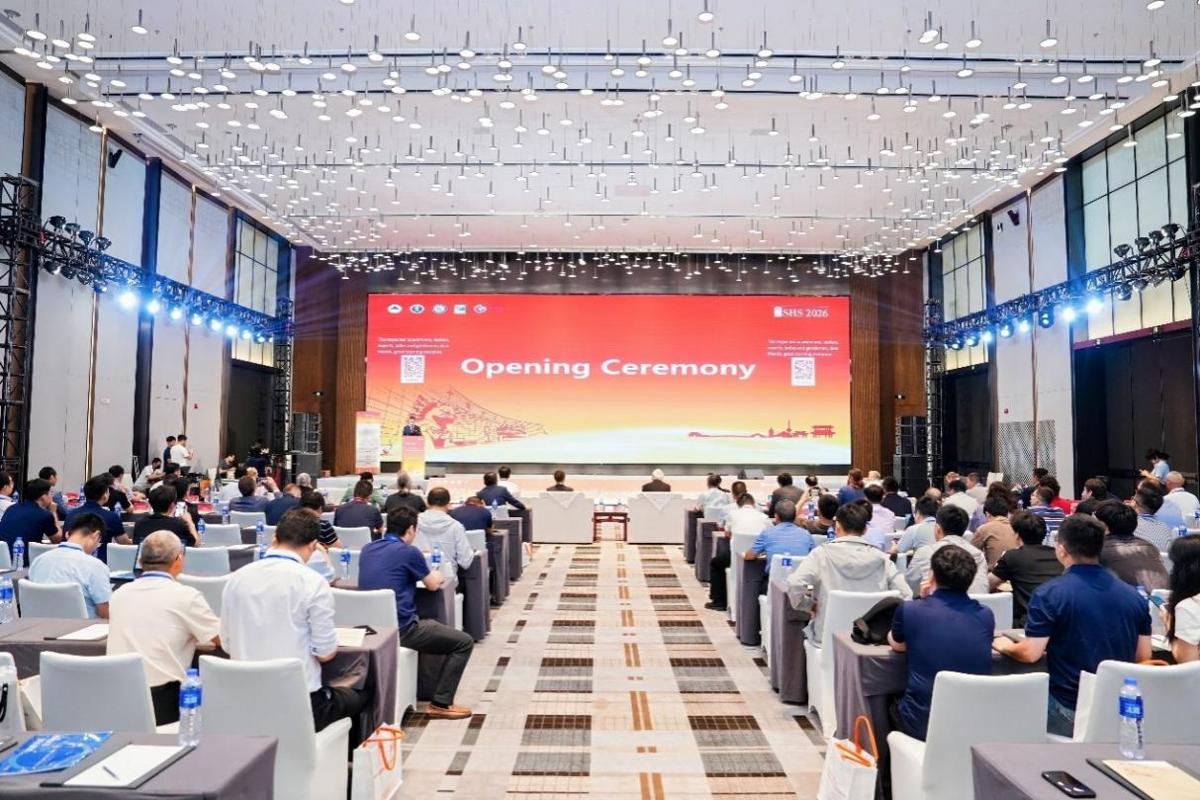
Opening Ceremony Scene
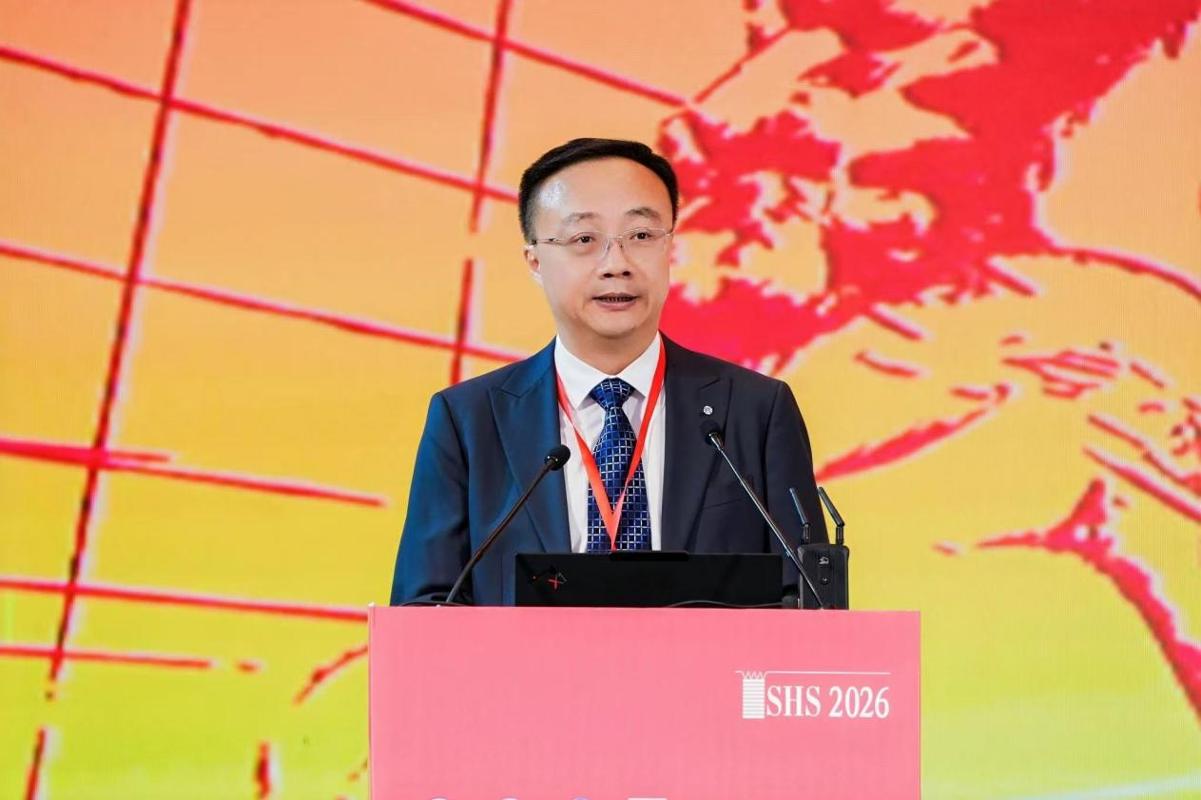
Zhao Hongwei, Secretary of the Party Committee of CUMT, delivers an address
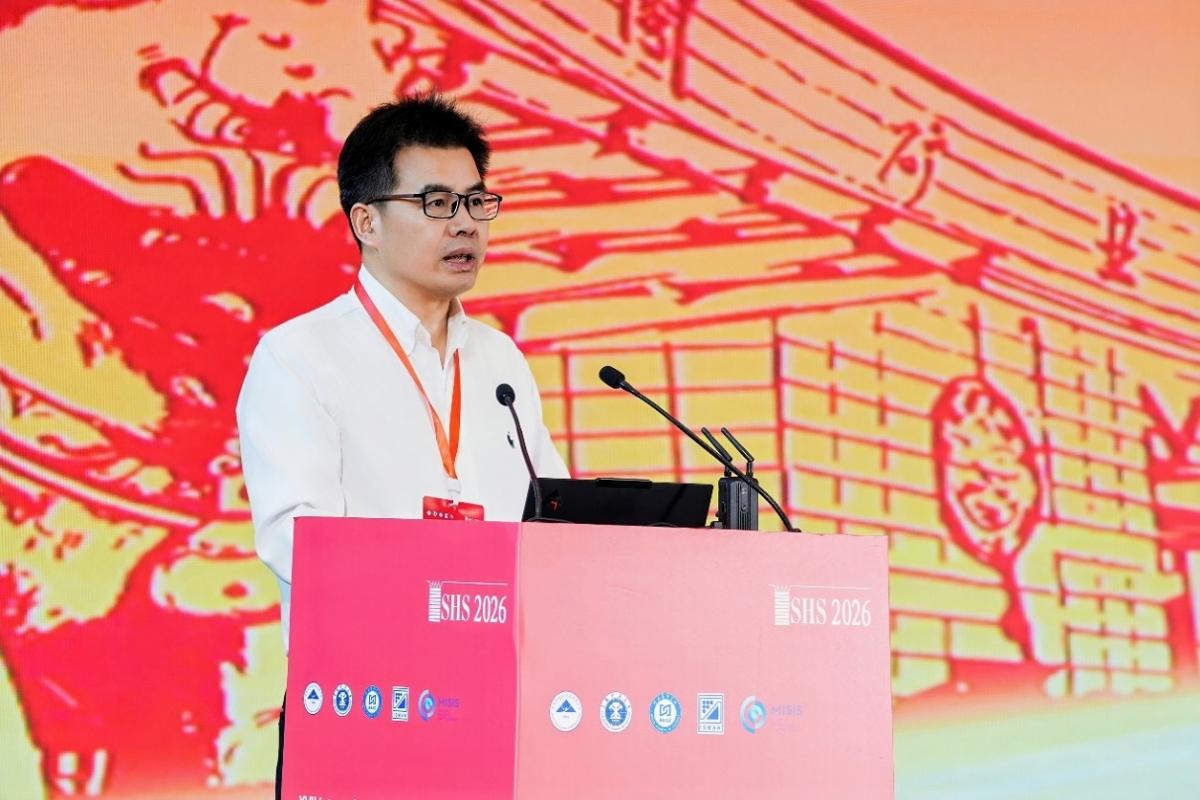
Liu Daming, Director of the International Liaison Department
of the Jiangsu Association for Science and Technology, delivers an address
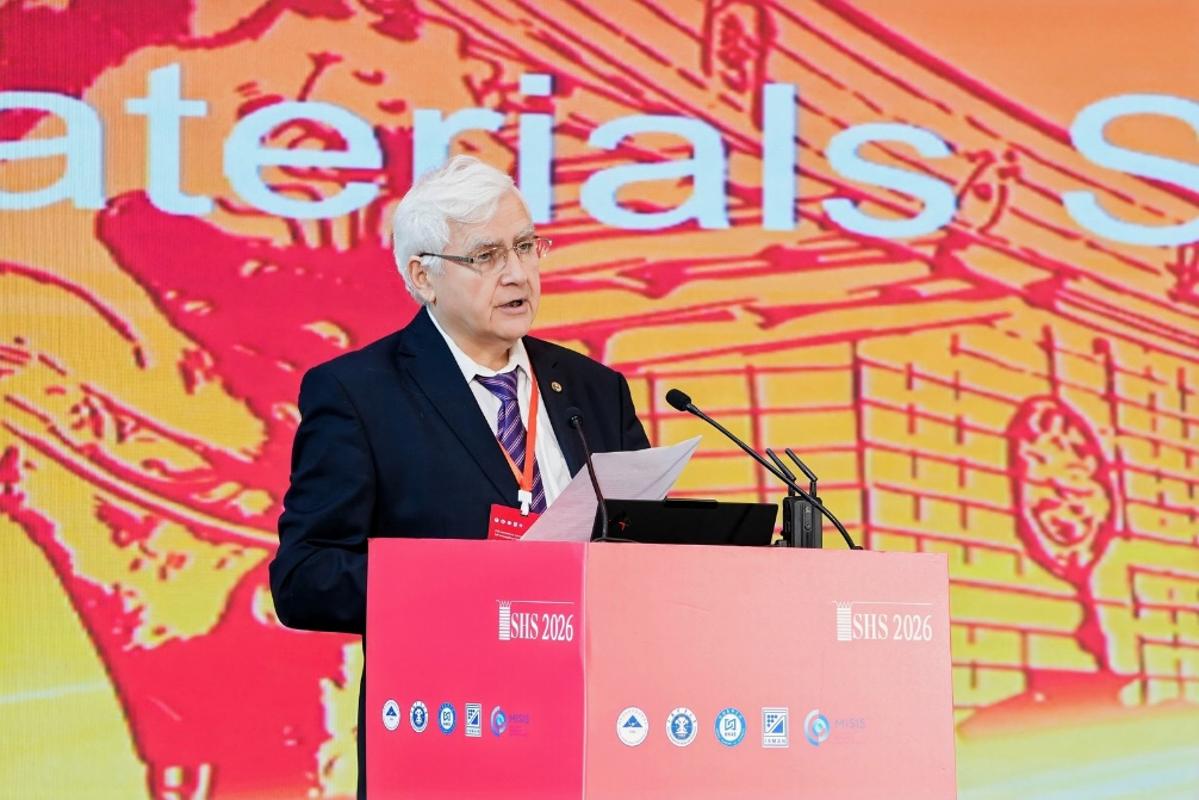
Academician Mikhail Ivanovich Alymov of
the Russian Academy of Sciences delivers an address
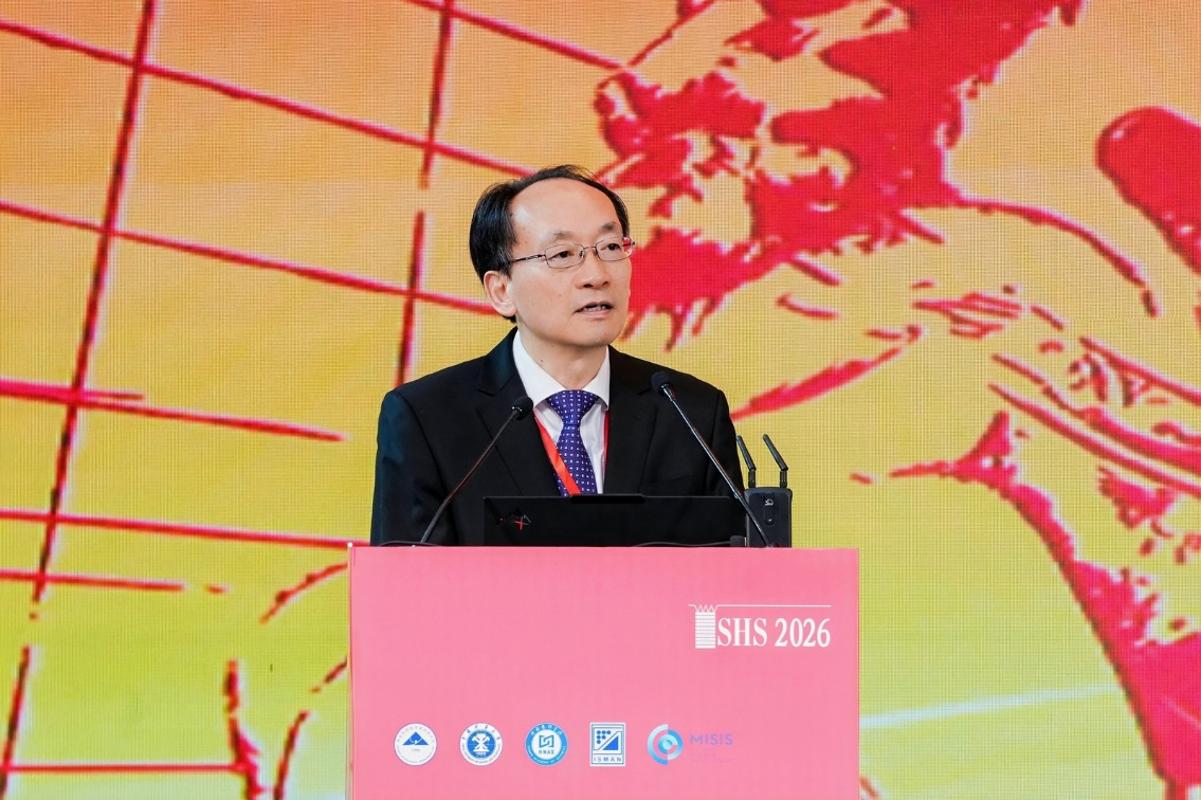
Academician Fu Zhengyi of the Chinese Academy of Engineering delivers an address
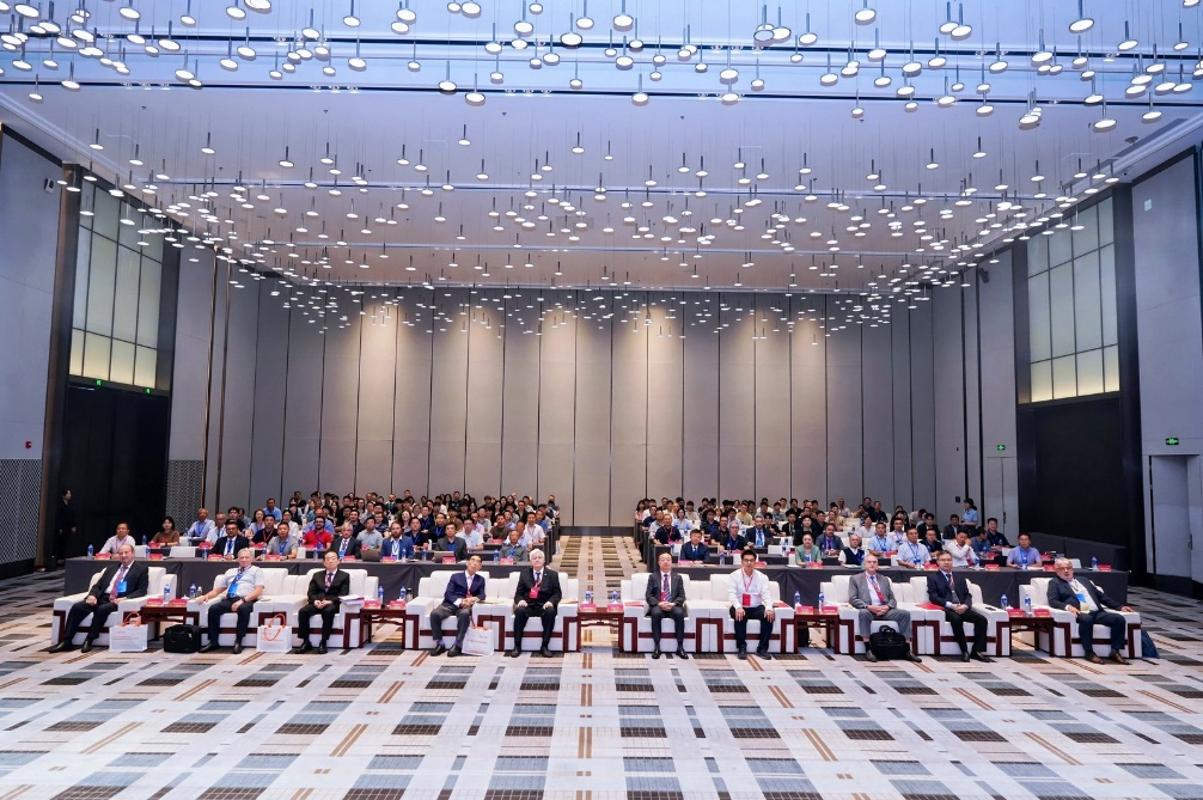
Plenary Session
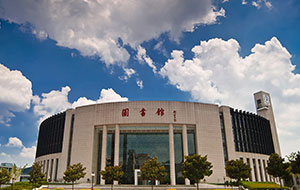
From September 14 to 18, the 17th International Symposium on Self-Propagating High-Temperature Synthesis (SHS-2026) was held at China University of Mining and Technology (CUMT). Experts, scholars, industry representatives, faculty, and students from 11 countries and regions — including China, Russia, the United States, the United Kingdom, Poland, Sweden, South Korea, Turkey, Pakistan, Armenia, and Iran — gathered in Xuzhou to discuss the latest advances, technological breakthroughs, and development trends in the field of self-propagating high-temperature synthesis.
Attending the opening ceremony were Zhao Hongwei, Secretary of the Party Committee of CUMT; Liu Daming, Director of the International Liaison Department of the Jiangsu Association for Science and Technology; Academician Mikhail Ivanovich Alymov of the Russian Academy of Sciences; Academician Evgeny Alexandrovich Levashov of the Russian Academy of Sciences and Professor at the National University of Science and Technology MISIS; Academician Ge Changchun of the Chinese Academy of Sciences; and Academician Fu Zhengyi of the Chinese Academy of Engineering. The opening ceremony was chaired by Professor Feng Peizhong of CUMT, Chair of the Symposium.
Zhao Hongwei, on behalf of CUMT, extended a warm welcome to the guests from home and abroad, and introduced CUMT’s 117-year history, disciplinary strengths, and recent achievements. He noted that the university attaches great importance to the development of materials science, focusing on innovative research in the field of energy and resources and actively serving national strategies, industry progress, and regional development. He stated that the Symposium is one of the most representative international academic events in the field and an important bond for scholars’ exchange and cooperation. He expressed CUMT’s willingness to use this Symposium as an opportunity to deepen industry-academia-research-application collaborative innovation with universities, research institutes, and enterprises worldwide, jointly tackle key technical challenges, and promote the development of SHS technology toward greater efficiency, environmental friendliness, and intelligence, contributing wisdom and strength to the sustainable development of global materials science and technology and to humanity’s joint response to energy and resource challenges.
Liu Daming, entrusted by the Jiangsu Association for Science and Technology, expressed warm congratulations on the convening of the symposium. He noted that advanced materials and metallurgical technologies are important supports for promoting industrial transformation and upgrading & fostering new quality productive forces. Jiangsu attaches great importance to the deep integration of scientific and technological innovation with industrial innovation and actively promotes collaborative research among universities, research institutes, and enterprises in fields such as advanced materials, critical metals, and critical minerals. He expressed the hope that Chinese and international scientists and technologists would further strengthen exchanges and cooperation, promote the transition of more innovative achievements from the laboratory to the production line, and contribute wisdom and strength to Jiangsu’s building of a high-level science and technology powerhouse and a globally influential industrial science and technology innovation center.
Academician Alymov thanked Chinese colleagues for their hard work in preparing and organizing the symposium. He reviewed the 35-year history of the Symposium oheld in different countries around the world, noting that the SHS international academic community has continued to grow through long-term exchange and cooperation. The important mission of the symposium is to enhance friendly ties among scientists from different countries and provide a platform for researchers to share their latest achievements. He looked forward to this year’s symposium further promoting exchanges and cooperation between academia and industry and injecting new momentum into the large-scale and industrial applications of SHS processes and methods.
Academician Fu Zhengyi stated in his address that after 31 years, this international academic event has returned to China, fully demonstrating international peers’ attention to and recognition of China’s development in self-propagating high-temperature synthesis research. After nearly 40 years of development, China has formed a research team with strong innovation capabilities and international influence in SHS, with related technologies continuously expanding toward thermal explosion synthesis, solution combustion synthesis, mechanically activated synthesis, and field-assisted synthesis, and accelerating integration with advanced sintering, additive manufacturing, and coating preparation technologies. He hoped that experts at home and abroad would further strengthen interdisciplinary and international collaboration, deepen research on reaction mechanisms, microstructure control, and engineering applications, and promote more innovative achievements from the laboratory to industrial practice.
Supported by the Jiangsu Association for Science and Technology, this year’s Symposium was co-hosted by China University of Mining and Technology, the Henan Academy of Sciences, the Institute of Structural Macrokinetics and Materials Science of the Russian Academy of Sciences, and the National University of Science and Technology MISIS. The Symposium focused on topics including SHS theory, combustion reaction kinetics and simulation, new SHS methods, ceramics and ultra-high-temperature materials, high-entropy materials, thin films and coatings, functional materials, metallurgy and critical metal preparation, welding and brazing, surface engineering, and industrial applications of SHS technology. It featured plenary lectures, thematic reports, young scholar presentations, and poster sessions. Experts and scholars from universities, research institutes, and enterprises at home and abroad shared the latest research findings and engineering practices in the field of SHS and engaged in in-depth discussions on fundamental theories, reaction mechanisms, key processes, equipment development, and large-scale applications.
During the plenary lecture session, experts and scholars from the United States, Russia, Poland, and China delivered thematic reports on advanced ceramic powders and silicon-based ceramic preparation, SHS metallurgy and high-entropy materials, and ceramic-metal composite materials and extreme environment materials, systematically introducing the latest advances in SHS in advanced ceramics, refractory and ultra-high-temperature materials, high-entropy materials, green extraction of critical metals, extreme environment protective materials, and functional material applications. Participating experts also engaged in in-depth exchanges on how to strengthen the connection between basic research and engineering applications, promote the transformation of SHS technological achievements, and advance international joint research and young talent cultivation.
During the Symposium, awards including the SHS Young Scholar Paper Award, Innovation Award, Outstanding Contribution Award, Lifetime Achievement Award, and International Friendship Award were evaluated and presented to encourage young researchers to actively participate in international academic exchanges and pursue original research. A total of 24 faculty members and students from CUMT delivered academic reports or poster presentations. Participants conducted extensive matchmaking around joint talent cultivation, research project cooperation, achievement transformation, and international academic exchanges, further expanding CUMT’s cooperation with other universities, research institutes, and industry enterprises at home and abroad.
It is noted that the International Symposium on Self-Propagating High-Temperature Synthesis was founded in 1991 and is held every two years. It is a high-level international academic conference with a long history and broad influence in the global field of self-propagating high-temperature synthesis. After 35 years of inheritance and development, the Symposium has become an important platform for experts and scholars in the field worldwide to exchange results and deepen cooperation. The holding of this year’s Symposium will further promote scientific and technological exchange and collaborative innovation between China and other countries in the field of advanced materials, and enhance CUMT’s international influence in self-propagating high-temperature synthesis and advanced materials.