At the Opening Ceremony
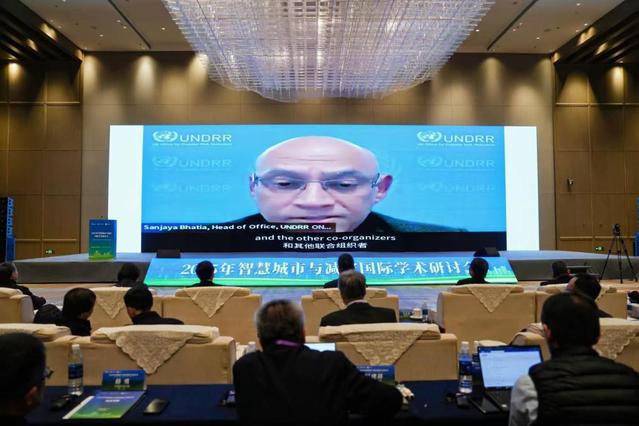
Sanjaya Bhatia, Head of UNDRR‘s Northeast Asia Office and Global
Education and Training Institute, delivers a speech

Dai Gang, Director of the Department of International Cooperation
at the Ministry of Science and Technology of China, delivers a speech
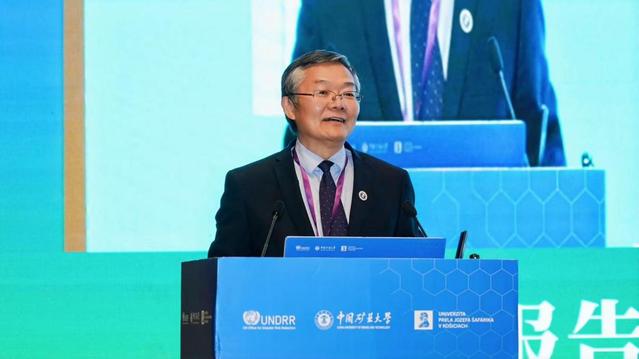
Bian Zhengfu, Vice President of CUMT, delivers a speech
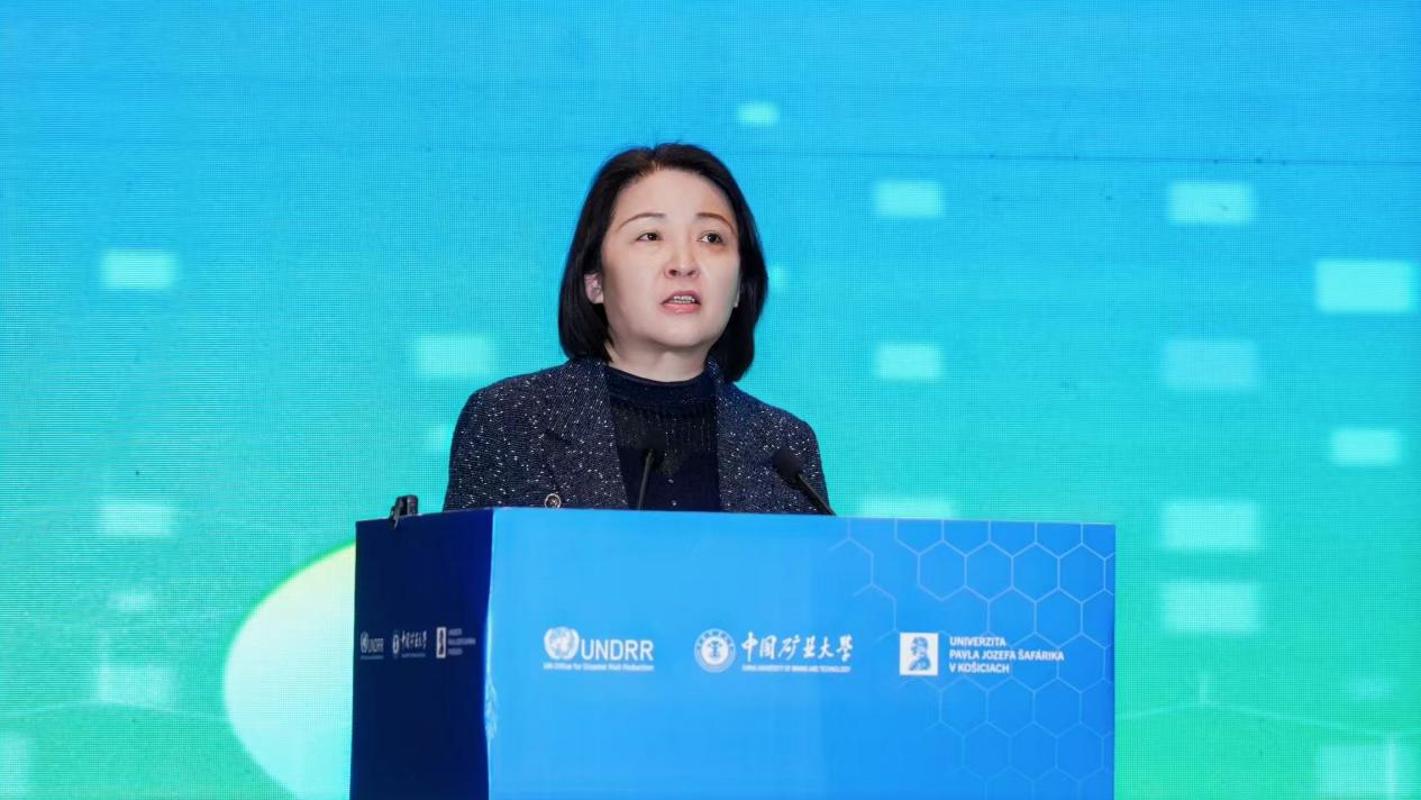
Guo Xiaomin, Vice Mayor of Xuzhou, delivers a speech
Yaroslav Hofierka, Vice President of Pavol Jozef Šafárik
University, delivers a speech
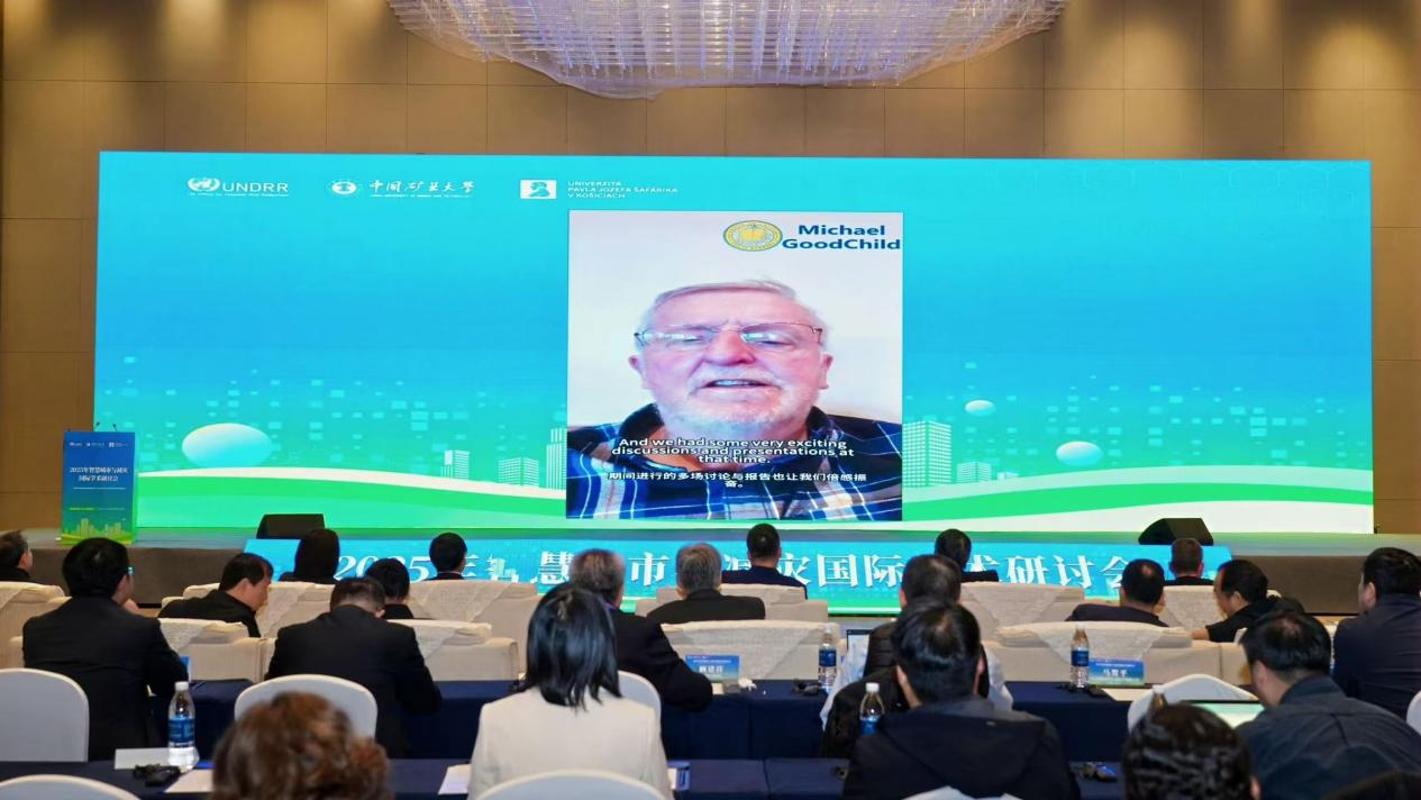
Michael F. Goodchild, Member of the US National Academy
of Sciences, delivers a speech
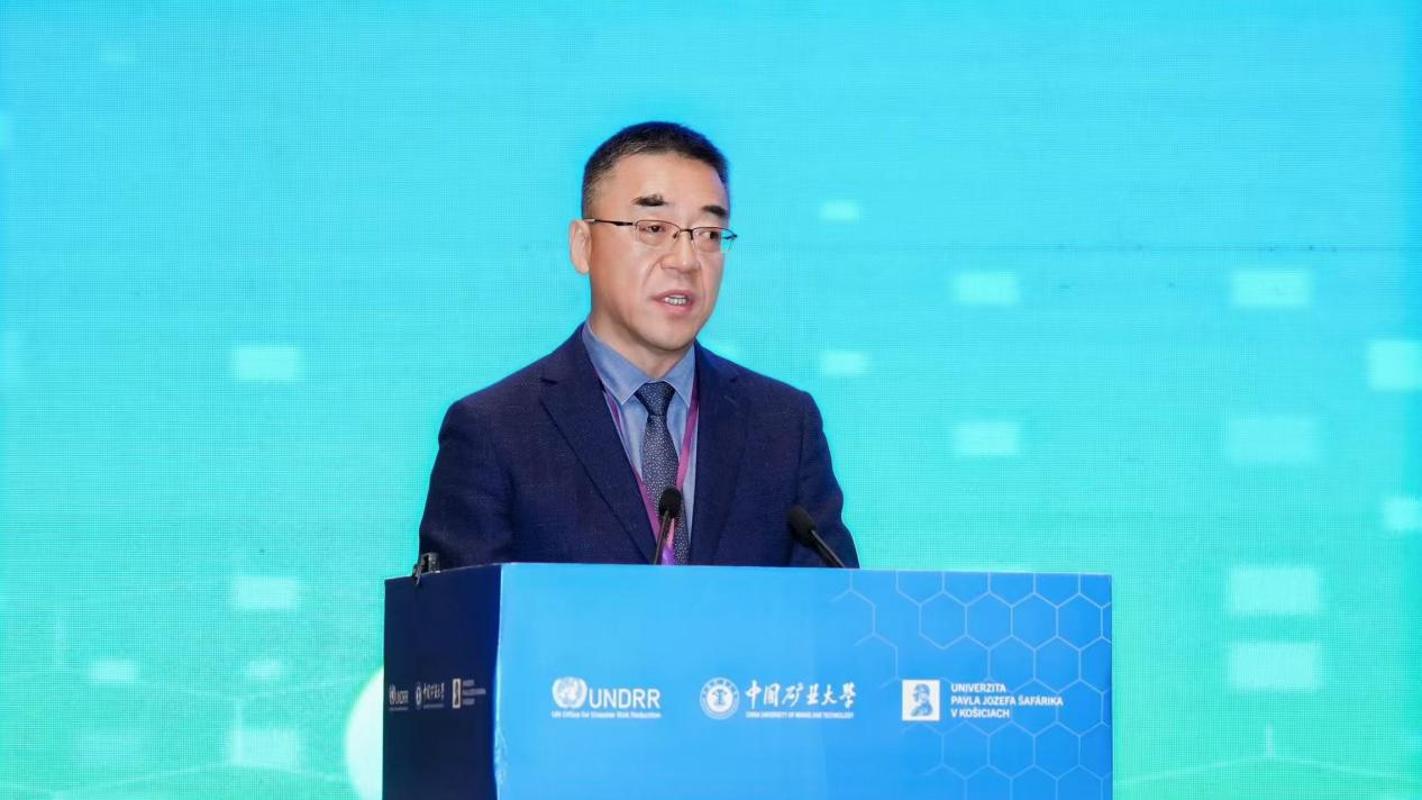
Liu Feng, President of the China Coal Society, delivers a speech
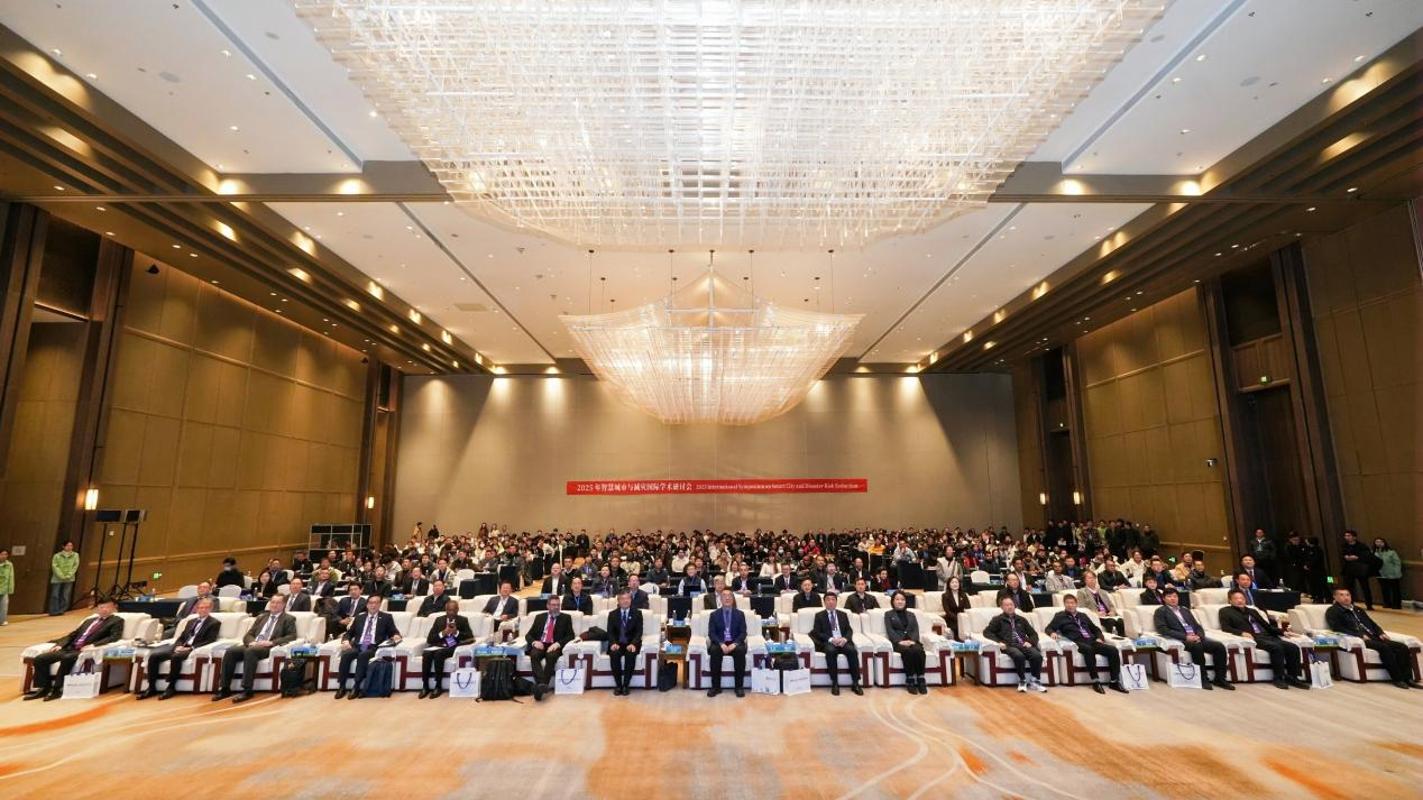
During the Conference
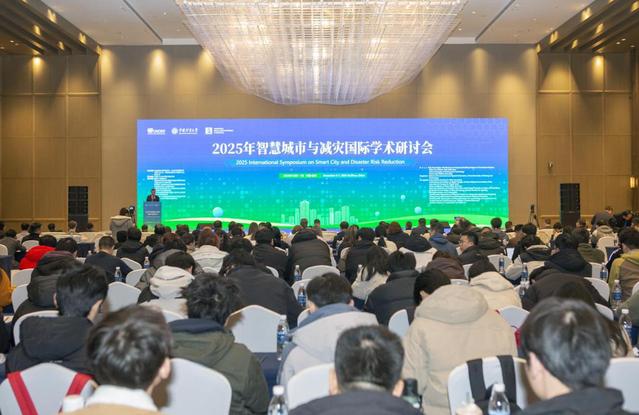
From December 5th to 7th, China University of Mining and Technology (CUMT) hosted the 2025 International Symposium on "Smart Cities and Disaster Risk Reduction". Co-organized by the Risk Knowledge, Monitoring and Capacity Building Division of the United Nations Office for Disaster Risk Reduction (UNDRR), China University of Mining and Technology (CUMT), and Pavol Jozef Šafárik University in Slovakia, the event gathered over 350 experts, scholars, and industry representatives from 24 countries worldwide. Participants engaged in discussions centered on the theme of "Smart Cities and Disaster Mitigation", collectively contributing insights to advance the integration of spatiotemporal information in smart city development and disaster prevention, as well as to promote urban safety and sustainable development.
On the morning of December 6th, the symposium officially inaugurated. Sanjaya Bhatia, Head of UNDRR's Northeast Asia Office and Global Education and Training Institute, delivered a video address on behalf of the organizers. He emphasized UNDRR's strong support for international cooperation in urban disaster mitigation, highly praised universities' role in this field, and specifically called for enhanced collaboration between universities, local governments, and enterprises to build more resilient cities through smart city concepts. Dai Gang, Director of the Department of International Cooperation at the Ministry of Science and Technology of China, noted in his video speech that China has established scientific and technological cooperation with over 160 countries and regions, signed 120 intergovernmental science and technology cooperation agreements, and will further implement the “Belt and Road” Science, Technology and Innovation Action Plan and initiatives like the International Science and Technology Cooperation Initiative and Open Science International Cooperation Initiative. Upholding the principle of "Science knows no borders and benefits all humanity", China aims to build a global science and technology community. He hoped the symposium would deepen bilateral and multilateral cooperation, foster high-level innovation platforms, and strengthen exchanges among young researchers to advance spatiotemporal intelligence in smart cities and disaster prevention. Guo Xiaomin, Vice Mayor of Xuzhou, Bian Zhengfu, Vice President of CUMT, and Yaroslav Hofierka, Vice President of Pavol Jozef Šafárik University, also delivered opening remarks. Bian Zhengfu highlighted CUMT's achievements in spatiotemporal information, urban safety, and ecological restoration, expressing the university's commitment to global collaboration in integrating spatiotemporal technology with disaster mitigation. Other speakers included Liu Feng (President of the China Coal Society) and Michael F. Goodchild (U.S. National Academy of Sciences member and renowned geoinformation scientist). Hu Zhenqi, an academician of CUMT, attended the opening ceremony, which was hosted by Zheng Nanshan, Dean of CUMT's School of Environment and Spatial Informatics.
The opening ceremony featured the launch of the new journal Journal of Spatiotemporal Intelligence and Environment and the unveiling of an International Society for Mine Surveying (ISM) landmark. Published by CUMT, the journal focuses on interdisciplinary frontiers such as spatiotemporal intelligence, earth sciences, environmental ecology, and urban disaster mitigation, aiming to publish high-quality research on fundamental theories, innovative technologies, and practical applications.
In the keynote speech session, experts including Chen Jun (Academician, Director of the Moganshan Geoinformation Laboratory and National Geomatics Center of China), Man-wai Siu (Professor, Hong Kong Polytechnic University), Adriano Camps (Professor, Polytechnic University of Catalonia), Shi Bin (Professor, Nanjing University), Hilary I. Inyang (Fellow of the African Academy of Sciences), Bian Zhengfu (Professor, CUMT), Zhu Qing (Professor, Southwest Jiaotong University), Yang Bisheng (Professor, Wuhan University), Li Zhiwei (Professor, Central South University), Li Zhenhong (Vice President, Chang'an University), Chen Shen-en (Professor, University of North Carolina), Lu Zhong (Professor, CUMT), Gu Jianxiang (Senior Engineer, Shanghai Surveying and Mapping Institute), and Huang Zhou (Professor, Peking University) presented their research.
The symposium included 5 thematic forums (Intelligent Disaster Monitoring and Early Warning, Spatiotemporal Information and Smart Cities, Low-Altitude and Urban Underground Space Utilization, Disaster Mitigation and Governance in Resource-Based Cities, etc.), where 91 representatives delivered reports. Additionally, the 3rd Digital Energy and Sustainable Development Conference (with sub-forums on Energy GHG Emission Reduction, Mining Area Ecological Environment Remote Sensing, and Mine 3D Modeling and Intelligent Perception) and 4 graduate forums were held, featuring 90 student presentations. A roundtable discussion among Chinese and international delegates produced the Xuzhou Consensus on Strengthening International Cooperation in Urban Disaster Mitigation, outlining future collaboration plans.
Focusing on cutting-edge topics of spatiotemporal intelligence empowering smart cities and disaster prevention, the symposium addressed global needs for urban smartness, safety, and sustainability. It advanced concepts like GeoAI, Urban Informatics, Smart Cities, Spatiotemporal Agents, Digital Twin Cities, Unknown Space Mapping, and Emergency Mapping, while showcasing theoretical and practical achievements in applying sensing technologies (e.g., 3Ds optical fibers, IoT, NISAR, InSAR) to urban disaster mitigation. This event injected new momentum into innovating urban disaster mitigation theories and technologies and promoting global urban sustainable development.